These include low blood oxygen levels, shortness of breath, rapid heart rate, pain in the chest, low-grade fever, and low blood pressure.
Contact a doctor as soon as multiple symptoms appear. If caught early enough, treatments such as anticoagulants and thrombolytics can be administered, which may break up the clot before it causes any serious damage.
Next, what are the consequences of deep vein thrombosis?
The CDC estimates that 50% of those who survive a blood clot experience will have long-term consequences for the rest of their lives. And one third will have another clot within 10 years of the first one.
When blood clots damage the valves in the vein, they cause a condition called post-thrombotic syndrome or PTS. Symptoms of PTS include swelling, pain, discoloration, and, in severe cases, scaling or ulcers in the affected part of the body. Sometimes, these symptoms can be so severe that a person becomes disabled.
Next, this condition that causes deep vein thrombosis is largely ignored.
The condition known as high blood viscosity not only increases your risk of DVT, it also puts you at higher risk for heart disease, high cholesterol, stroke, metabolic syndrome and diabetes.
Having high blood viscosity means that your blood is very thick and sticky. This makes it harder for your heart to pump blood and increases the friction on the inside of your veins.
As blood flow becomes sluggish, the amount of oxygen and nutrients delivered to your cells and organs is decreased.
To learn about your blood viscosity, you can request a complete blood count from your doctor.
A study from Edinburgh University in the United Kingdom, showed conclusively that raised blood viscosity is at least as important as blood pressure and “bad” cholesterol in predicting death by heart attack.
In other words, the quality of your artery walls is not the only thing that matters, the quality of your blood matters too.
However, over the last two decades, mainstream medicine has been obsessed with reducing cholesterol levels through statin drugs, while largely ignoring high blood viscosity and the fatal blood clots it can cause.
So what can you do about high blood viscosity?
One simple way to fix this is to get plenty of omega-3 fatty acids. Omega-3 fatty acids are natural anti-inflammatories, which means they help reduce inflammation. They also slow blood clotting and thin the blood.
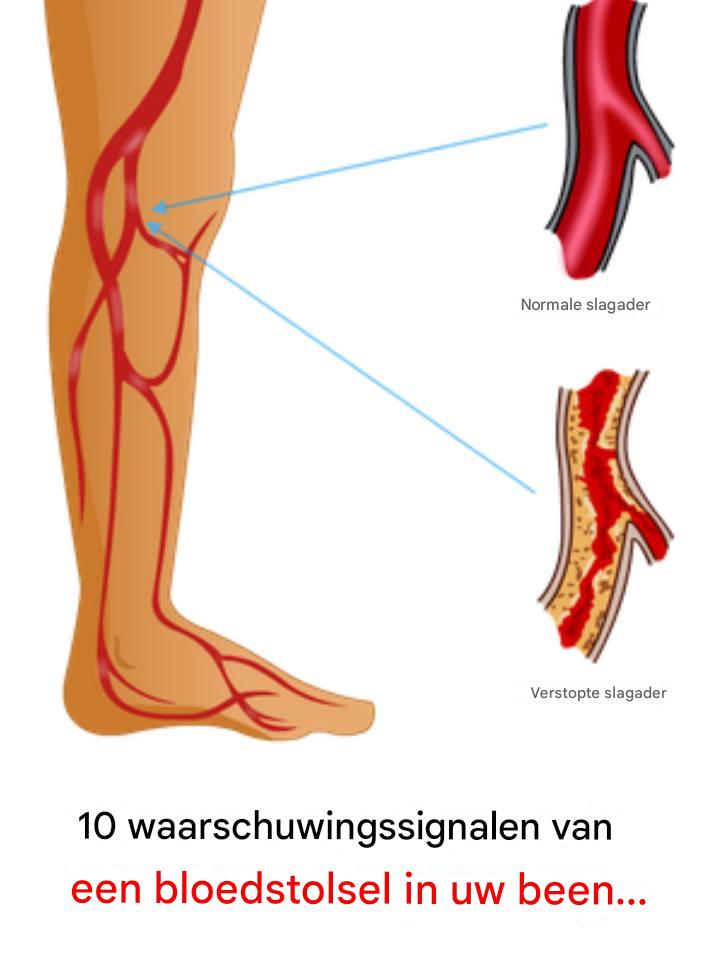
It should be mentioned that DVT in the leg, pelvis, and sometimes arm, does NOT cause heart attack or stroke.
The blood clot in an artery in the heart or brain, known as arterial thrombosis, is what causes a heart attack and stroke.
Aby zobaczyć pełną instrukcję gotowania, przejdź na następną stronę lub kliknij przycisk Otwórz (>) i nie zapomnij PODZIELIĆ SIĘ nią ze znajomymi na Facebooku.