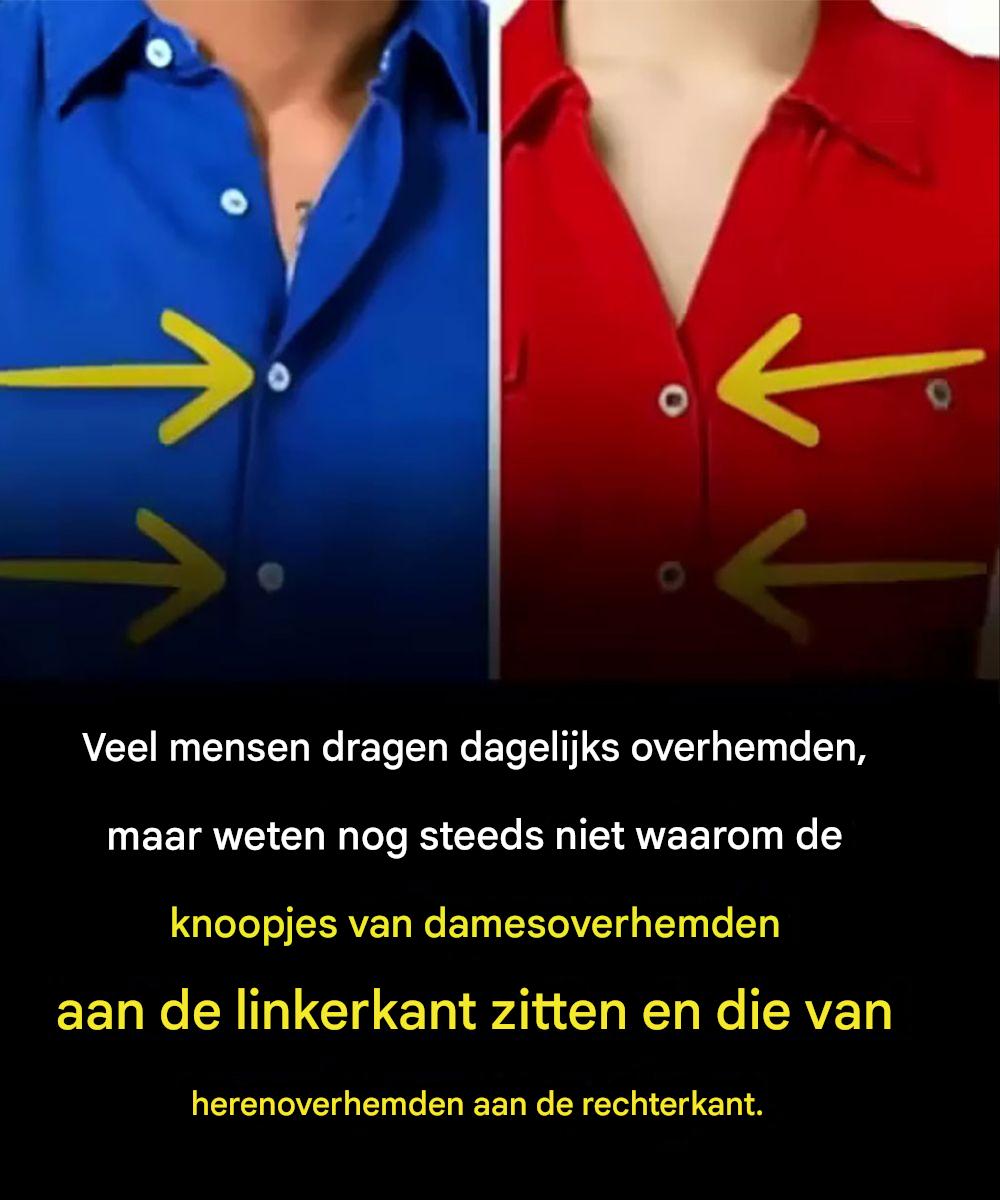
Iemand je helpen je aan te kleden was ooit een duidelijk teken van rijkdom en privilege. Alleen vrouwen uit de hogere klasse konden zich zo'n luxe veroorloven. Daarom werden links gedraaide knoppen stilletjes een statussymbool.
Tijdens het Victoriaanse tijdperk weerspiegelde deze ontwerpkeuze ook culturele ideeën over vrouwelijkheid en werden vrouwen gezien als gracieus, verfijnd en afhankelijk. De links gevouwen knopen versterkten dit imago en onderscheidden hun mode van de meer "praktische" mannenkleding.
The Men’s Side: Function Over Fashion
For men, the button placement had very different origins. Most men were right-handed, and during times of war or hunting, they carried weapons on the left side. Having buttons on the right made it easier to open a coat or jacket with the right hand and draw a weapon quickly.
This layout remained in men’s fashion for centuries, passed down from military uniforms to everyday shirts. Over time, it became another way to visually separate men’s and women’s clothing.
From Practicality to Tradition
As society changed, women started dressing themselves, and men no longer carried swords but the button difference stayed. It no longer served a practical purpose, yet fashion designers kept it as part of the heritage and identity of each gender’s clothing.
Even today, this design continues as a fashion convention rather than a necessity. It’s one of those small details that remind us how history often lingers in the things we wear every day.
Aby zobaczyć pełną instrukcję gotowania, przejdź na następną stronę lub kliknij przycisk Otwórz (>) i nie zapomnij PODZIELIĆ SIĘ nią ze znajomymi na Facebooku.